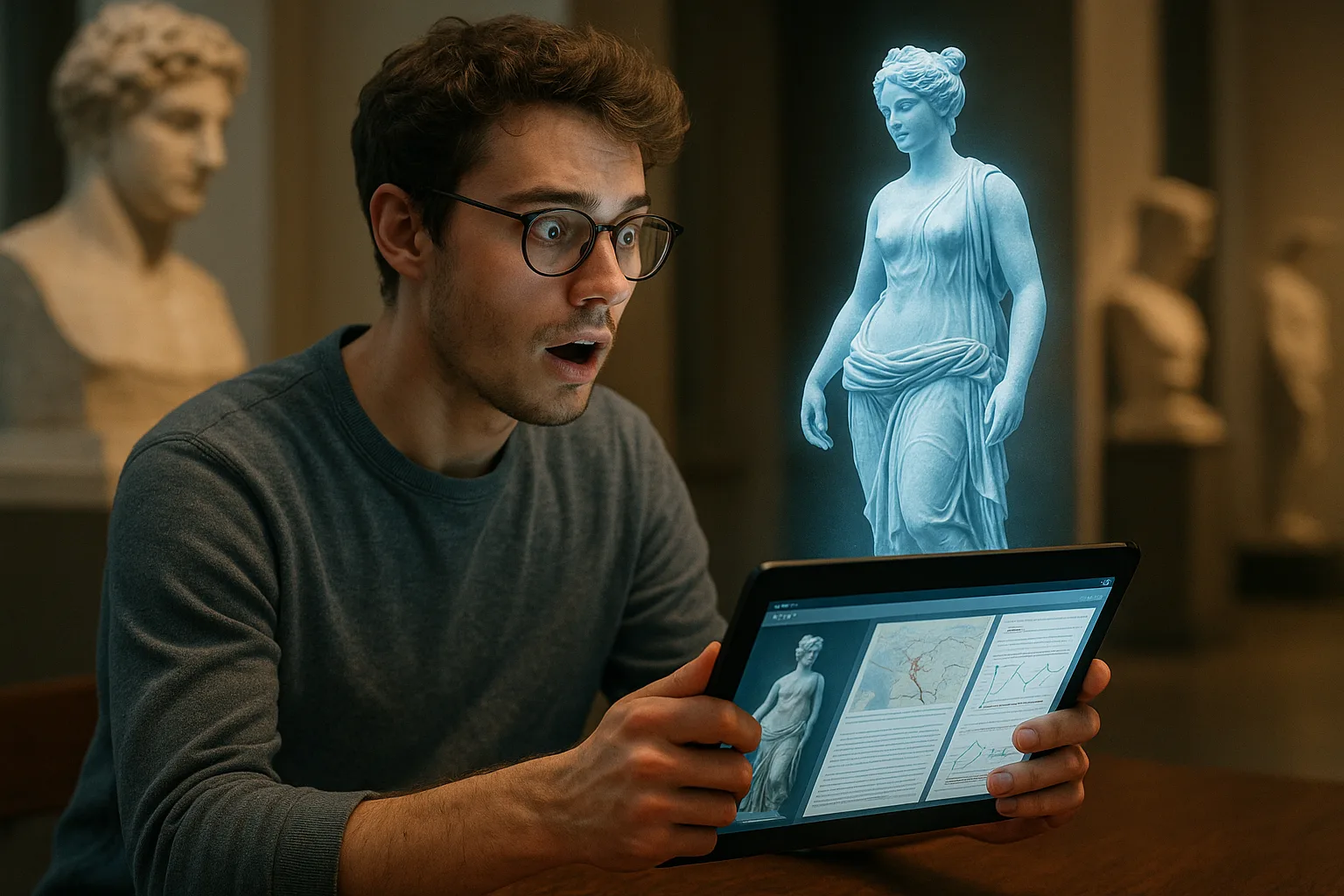
Digital Humanitites and Cultural Futures in Krasnoyarsk: Education, Creativity, and Career Paths
Introduction
Krasnoyarsk—framed by the Yenisei River, the rock formations of Stolby, and a vibrant regional culture—stands at a crossroads where tradition meets digital transformation. This article explores how digital humanities, modern educational practices, self-development, and creative thinking can reshape cultural professions in Krasnoyarsk, creating resilient, future-ready careers and institutions.
Why this matters for Krasnoyarsk
— The region’s rich material and intangible heritage (museums, theaters, oral histories, indigenous cultures) is both an asset and a responsibility.
— Digital skills increase accessibility: virtual exhibitions, online archives, and multilingual resources broaden audiences beyond geographic limits.
— New educational models and creative mindsets build local capacity, retain talent, and support sustainable cultural economies.
Digital humanities: tools and opportunities
Digital humanities (DH) combine computing methods with humanities research. For Krasnoyarsk, DH can:
— Digitize regional archives and collections (photographs, manuscripts, audio recordings).
— Build searchable databases and GIS maps linking cultural sites to community stories.
— Use 3D scanning and photogrammetry to preserve and present artifacts and Stolby landscapes virtually.
— Create immersive VR/AR tours of heritage sites for remote education and tourism.
— Apply text encoding (TEI), natural language processing, and network analysis to local literary and oral traditions.
Concrete project ideas:
— A crowdsourced oral-history platform collecting stories in Russian and indigenous languages.
— An interactive digital map tracing cultural routes along the Yenisei with layered archival materials.
— A virtual exhibition on Siberian artistic practices with high-resolution imagery and curator commentary.
Modern educational practices for cultural professions
Shift education from passive to experiential, hybrid, and competency-based formats:
— Blended and flipped classrooms: theoretical materials delivered online, in-person time used for workshops and fieldwork.
— Project-based learning: students co-create real digital exhibits, catalogs, or mobile apps with local museums.
— Microcredentials and modular learning: short certificates in digital curation, metadata standards, or heritage management.
— Interdisciplinary teamwork: pair humanities students with computer science, design, and business peers.
Practical steps for institutions:
— Create interdisciplinary modules—e.g., “Digital Curation + UX” or “GIS for Cultural Heritage.”
— Host community-facing capstone projects where student work is deployed in local museums or festivals.
— Partner with technology providers for hands-on training and tool access.
Self-development and creative thinking for practitioners
Cultural professionals must cultivate both technical and creative competencies:
Skills to develop
— Digital literacy: metadata, digitization workflows, CMS, basic scripting.
— Data and media skills: GIS, audio editing, 3D modeling, web publishing.
— Soft skills: storytelling, audience development, grant writing, project management.
— Creative problem-solving: design thinking, rapid prototyping, iterative testing.
Routines and practices
— Build a habit of microlearning—short weekly courses and tutorials.
— Maintain a public portfolio of projects (blogs, GitHub, portfolios) to showcase work.
— Schedule regular creative sprints and peer critiques to generate and refine ideas.
— Join or form local meetups, reading groups, and hackathons focused on culture-tech.
The future of cultural professions in Krasnoyarsk
Expect roles to evolve into hybrid careers that blend scholarship, technology, and community engagement:
— Digital curators and collection managers who handle both specimens and metadata.
— Cultural data analysts translating visitor interactions into programming insights.
— Community archivists managing crowdsourced collections and oral-history projects.
— Experience designers creating VR/AR heritage tours and educational resources.
— Policy and rights specialists navigating open access, licensing, and Indigenous data sovereignty.
Institutional shifts
— Museums and theaters transition from repositories to platforms—hosting co-created content, digital programs, and participatory research.
— Funding models diversify: project-based grants, public-private partnerships, and cultural entrepreneurship.
— Emphasis on sustainability: environmentally responsible digitization and equitable representation.
Inclusion, ethics, and local specificity
— Prioritize language inclusivity: provide interfaces and materials in Russian and local indigenous languages where appropriate.
— Apply ethical standards for consent, ownership, and cultural sensitivity—especially with Indigenous materials.
— Engage local communities as partners, not just audiences—co-design projects and share governance.
Actionable roadmap for Krasnoyarsk stakeholders
For individuals
— Start with a focused skill: metadata standards (Dublin Core), basic HTML/CMS, or audio editing.
— Build a small pilot—digitize a local collection or produce an online mini-exhibit.
— Network: attend local cultural events, propose digital collaborations to museums or libraries.
For educational institutions
— Launch one interdisciplinary pilot course pairing humanities and IT students.
— Set up a digital lab or maker space with scanners, cameras, and software licenses.
— Offer microcredentials and continuing education for cultural workers.
For cultural institutions and policymakers
— Fund small grants for community-driven digitization and educational projects.
— Establish partnerships with tech companies and regional universities for training and infrastructure.
— Support open access policies while ensuring proper attribution and cultural sensitivity.
Measuring success
Use both qualitative and quantitative indicators:
— Reach: online visitors, downloads, and cross-border engagement.
— Participation: number of community contributors, student projects, and volunteers involved.
— Professional outcomes: job placements, new roles created, and microcredentials awarded.
— Cultural impact: preservation of endangered languages, increased local visitation, and community satisfaction.
Conclusion: a collaborative future
Krasnoyarsk has the cultural depth and unique landscapes to become a regional leader in digitally mediated heritage and creative education. By combining modern pedagogies, digital tools, and a commitment to inclusive, community-centered practice, the city can grow resilient cultural