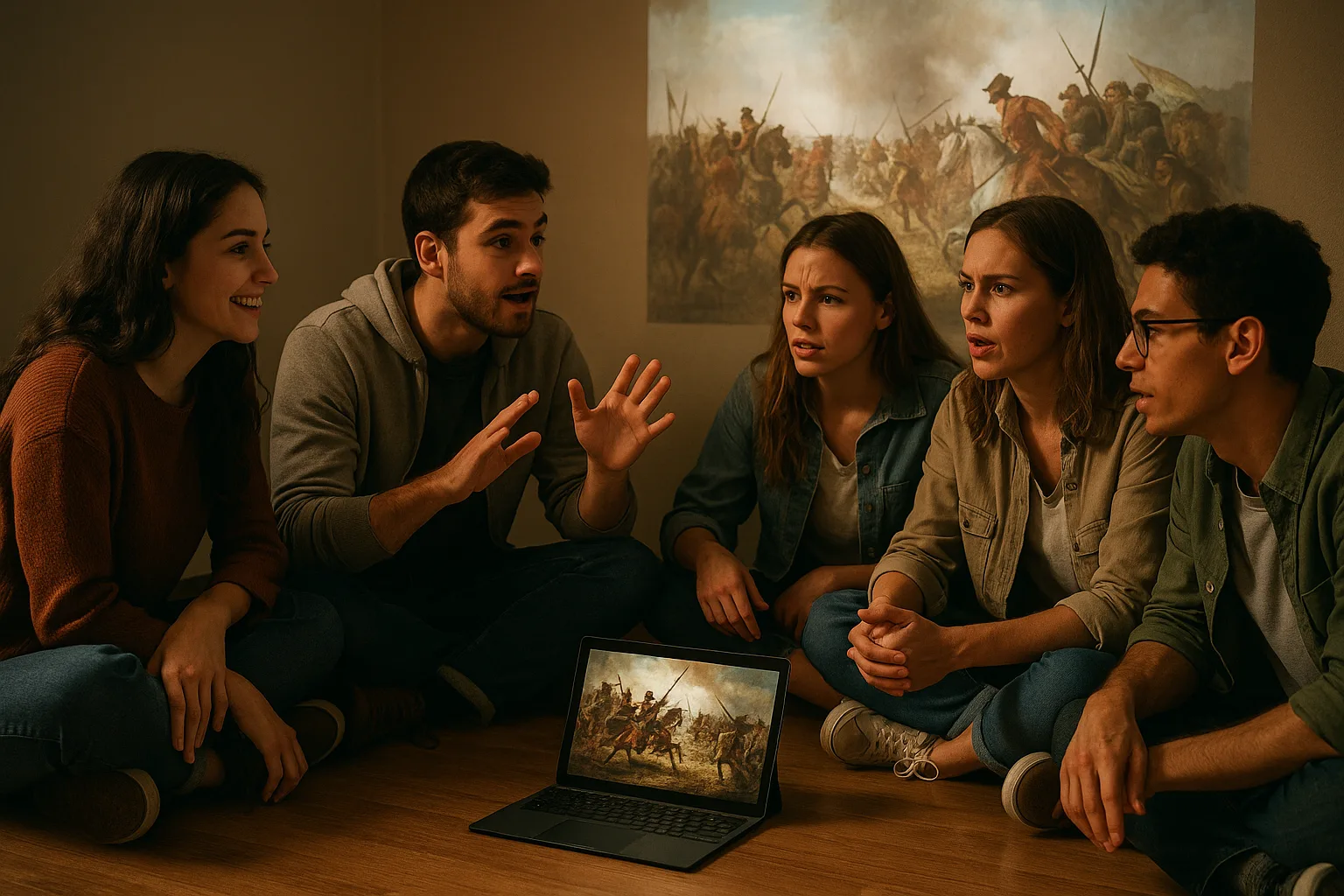
Krasnoyarsk Reimagined: Digital Humanities, Modern Education, and the Future of Cultural Professions
Introduction
Krasnoyarsk sits at the crossroads of Siberia’s rich cultural heritage and a rapidly digitizing world. As digital humanities, contemporary educational practices, and personal self-development converge, the region has a unique opportunity to reshape cultural professions — from curators and educators to archivists and creative entrepreneurs. This article outlines practical strategies, future scenarios, and actionable steps for local institutions, professionals, and learners to thrive.
Why this matters for Krasnoyarsk
— The region’s cultural assets — museums, libraries, theatre, oral histories and the landscapes of the Yenisei — are ripe for digital preservation and wider dissemination.
— Modern educational methods can address geographic isolation by expanding access and building local capacity.
— Creative thinking and lifelong learning can transform traditional cultural roles into hybrid, resilient professions that combine scholarship, technology, and community engagement.
Digital humanities: tools and practices for local cultural life
Digital humanities is not just academic jargon: it’s a toolkit for making culture accessible, searchable, and interactive.
— Key methods and tools
— *Digitization & digital archives*: high-resolution imaging, metadata standards (Dublin Core), IIIF viewers for collections.
— *Text analysis*: corpus linguistics, topic modeling, and named-entity recognition for regional literature and archives.
— *GIS & spatial humanities*: mapping historical movements, settlement patterns, and cultural sites across Krasnoyarsk Krai.
— *Multimedia storytelling*: audio web documentaries, oral-history platforms, and interactive timelines.
— *AR/VR experiences*: virtual museum tours and site reconstructions to engage remote audiences.
— Local actions
— Start community digitization drives for archival photos, folk songs, and oral histories.
— Build interoperable metadata and open-access repositories for regional institutions.
— Host collaborative workshops with university students and museum staff to prototype digital exhibits.
Modern educational practices that work locally
Modern pedagogy accelerates the adoption of digital humanities and prepares future cultural professionals.
— Effective approaches
— *Blended and hybrid learning* to combine local workshops with online modules.
— *Project-based learning* where students produce real-world digital collections or exhibitions.
— *Flipped classroom* to maximize hands-on lab time in limited institutional spaces.
— *Microcredentials & modular learning* for upskilling cultural workers in tech-specific competencies (digitization, UX, data curation).
— Implementation ideas
— Develop short courses co-designed by universities, museums, and libraries on topics like “Digital Curation for the North.”
— Use community projects (e.g., digitize a village archive) as course assessments, delivering tangible public value.
Self-development and creative thinking for cultural professionals
Digital change demands individual initiative and creative practice. Cultivating these capacities turns disruption into opportunity.
— Habits and mindsets
— *Lifelong learning*: schedule regular micro-learning (30–60 minutes/week) on new tools or methods.
— *Portfolio thinking*: maintain a visible, evolving portfolio of projects (digital exhibits, scripts, interactive maps).
— *Networked practice*: join peer groups, local meetups, and global communities of practice.
— *Play and iteration*: use rapid prototyping and fail-fast experiments to explore new formats.
— Practical exercises
— Monthly “creative jams” where multidisciplinary teams build a prototype (e.g., 48-hour oral-history app).
— Cross-training sessions (curators learn basic coding; developers learn heritage theory).
The future of cultural professions in Krasnoyarsk
Cultural roles will become hybrid, community-facing, and tech-savvy. Expect new titles and workflows.
— Emerging roles
— Digital curator / collections data manager
— Community engagement designer
— Cultural data analyst / GIS specialist
— Experience designer for AR/VR heritage tours
— Cultural entrepreneur / social-innovation facilitator
— Core skills for the future
— Digital literacy (metadata, CMS, basic scripting)
— Project management and grant writing
— User-centered design and public programming
— Ethical data stewardship and inclusive practices
Roadmap for Krasnoyarsk: short, medium, and long term
— Short term (0–12 months)
— Audit cultural collections and digital needs across local institutions.
— Run pilot workshops on digitization and basic DH tools.
— Launch a shared digital repository and simple website showcasing pilot outputs.
— Medium term (1–3 years)
— Establish formal partnerships between universities, museums, and schools.
— Create certificate programs and microcredentials in digital heritage.
— Hold an annual festival or hackathon focused on regional culture and technology.
— Long term (3–7 years)
— Build a regional center for digital humanities and cultural innovation.
— Integrate digital heritage into school curricula and public programming.
— Develop sustainable funding streams: public grants, cultural tourism, and social enterprise ventures.
Policy and funding recommendations
— Encourage municipal and regional authorities to prioritize digital preservation in cultural budgets.
— Support public-private partnerships with technology firms and universities for capacity building.
— Create small grants for community-led digitization and creative projects, especially in remote settlements.
Quick-start checklist for different audiences
— For students: start a portfolio; join local digitization projects; learn one DH tool (e.g., Omeka, QGIS).
— For educators: integrate project-based DH assignments; partner with a local cultural institution.
— For cultural professionals: digitize a high-priority collection item; document workflows; seek short courses in metadata and UX.
— For policymakers: fund pilots, remove barriers to data sharing, incentivize cross-sector collaboration.
Conclusion
Krasnoyarsk can lead a distinctly Siberian model of cultural innovation — rooted in local knowledge and amplified by digital tools, modern pedagogy, and creative practice. By investing in people, partnerships, and platforms now, the region will secure resilient, meaningful cultural professions for the decades ahead.
Call to action
Start small, think systemically: convene a roundtable of universities, museums, libraries, and youth groups this quarter. Identify one pilot digitization project and one educational module to launch within six months — and let those pilots shape a sustained regional strategy.