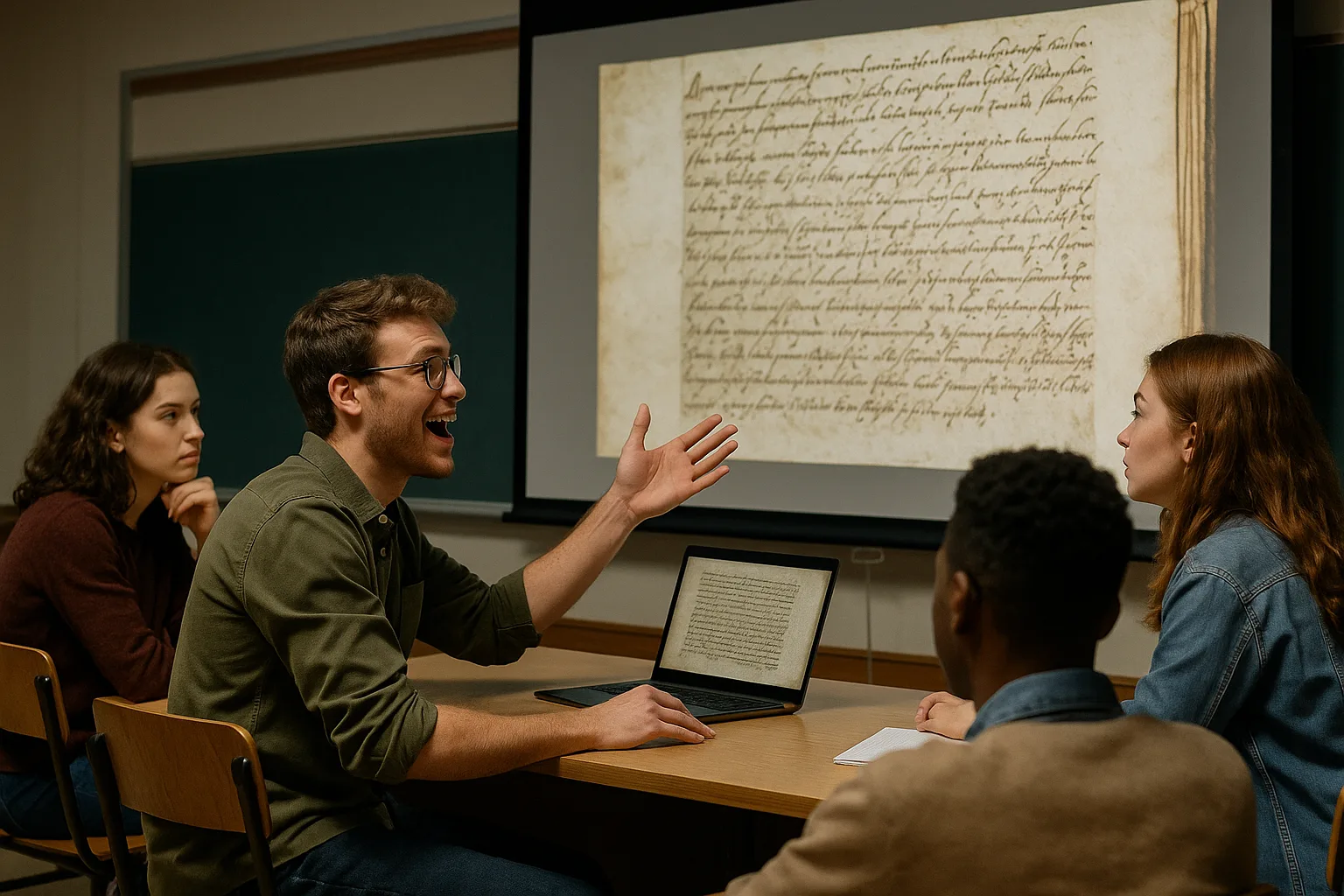
Transforming Krasnoyarsk’s Cultural Future: Digital Humanities, Modern Education, and Creative Self-Development
Transforming Krasnoyarsk’s Cultural Future: Digital Humanities, Modern Education, and Creative Self-Development
Krasnoyarsk sits at the meeting point of Siberian wilderness and urban culture: the Yenisei cuts a dramatic line through the city, natural reserves like Stolby inspire artistic practice, and local museums, libraries and universities hold deep collections and expertise. As cultural professions worldwide evolve under the pressure of digital technologies, Krasnoyarsk has an opportunity to become a regional leader by combining digital humanities, modern educational practices, and focused self-development to cultivate creative thinking and resilient cultural careers.
Why digital humanities matter here and now
— Preserve and open local heritage: digitize archives, oral histories and artifacts so they survive climate, time and access barriers.
— Expand audience reach: online exhibitions, virtual tours and digital storytelling engage residents and diasporas.
— Enable research and innovation: text mining, GIS and 3D modeling make local culture discoverable and analyzable in new ways.
— Create jobs and hybrid roles: between curatorship, data science and community engagement—roles that fit a 21st-century cultural economy.
Modern educational practices for cultural professions
Adopt methods that align learning with real-world cultural work:
— Project-based learning: students create actual digital exhibits, apps or community programs with public stakeholders.
— Competency- and portfolio-based assessment: measure demonstrable skills (metadata creation, exhibit design, UX) rather than only exams.
— Blended and hybrid learning: combine local fieldwork on the Yenisei or in Stolby with online tools and short intensive workshops.
— Micro-credentials & stackable certificates: short courses (metadata, GIS, digital preservation, creative coding) recognized by employers and institutions.
— Collaborative, interdisciplinary studios: teams of students and professionals from humanities, IT, design and business to solve cultural briefs.
Key skills and future roles
Roles emerging in the cultural sector—and skills to cultivate—include:
— Digital curator / collections technologist: metadata standards, digitization workflows, rights management.
— Heritage data analyst / GIS specialist: spatial humanities, mapping cultural change along the Yenisei.
— Experience designer / digital storyteller: UX, multimedia, AR/VR for immersive exhibits.
— Community cultural manager / participatory designer: stakeholder engagement, co-creation methods.
— Cultural entrepreneur / creative producer: grant writing, partnerships, sustainable business models.
Essential skills:
— Data literacy, basic scripting (Python, R) or tools for text and image analysis.
— Digital preservation and metadata (Dublin Core, TEI basics).
— Design thinking, prototyping and multimedia production.
— Project and stakeholder management, fundraising and communication.
Concrete project ideas for Krasnoyarsk
— Yenisei Digital Story Map: crowd-sourced oral histories and geotagged memories layered on an interactive map for schools and tourists.
— Stolby 3D Archive: lightweight photogrammetry campaigns to create 3D models of rock formations and sculptures for research and VR tours.
— Regional Digital Exhibition Pipeline: a shared platform for museums and libraries to host micro-exhibitions with templates, metadata tools and analytics.
— Cultural Hackathons and Residency Labs: weekend sprints pairing coders, artists and historians to prototype apps (e.g., heritage games, AR walking tours).
— MOOC Series with Local Context: short blended courses teaching digital humanities tools using Krasnoyarsk collections as case studies.
A practical self-development roadmap
For cultural professionals and students keen to adapt:
— First 3 months — Explore and build basics
— Take 2–3 short online courses: digital archives, basic GIS, storytelling tools (e.g., StoryMap).
— Start a small portfolio project: digitize and annotate one local object or story.
— 3–12 months — Deepen and network
— Join a local museum/library project or propose a micro-project to a professor.
— Attend or organize meetups/hackathons; present work publicly.
— Earn a micro-credential in a specialty (metadata, UX, data visualization).
— 1–3 years — Lead and sustain
— Launch a funded pilot (grant, municipal support, or crowdfunding): an online exhibition, an app or community program.
— Mentor students, write case studies, seek regional partnerships (universities, cultural foundations).
— Build a blended income: consulting, teaching workshops, project commissions.
How institutions in Krasnoyarsk can act now
— Share infrastructure: a citywide digitization hub or cloud repository to lower costs and standardize practices.
— Create cross-sector labs: partnerships between museums, universities and tech companies to train students and test prototypes.
— Fund micro-grants: small, rapid funding for community-led digital heritage projects.
— Adopt open data and API policies where possible: let developers and researchers build on local collections.
— Promote lifelong learning: subsidize staff training and recognize micro-credentials in hiring and promotion.
Habits and techniques to strengthen creative thinking
— Design thinking sprints: frame a local problem, prototype low-fi solutions and test with users in