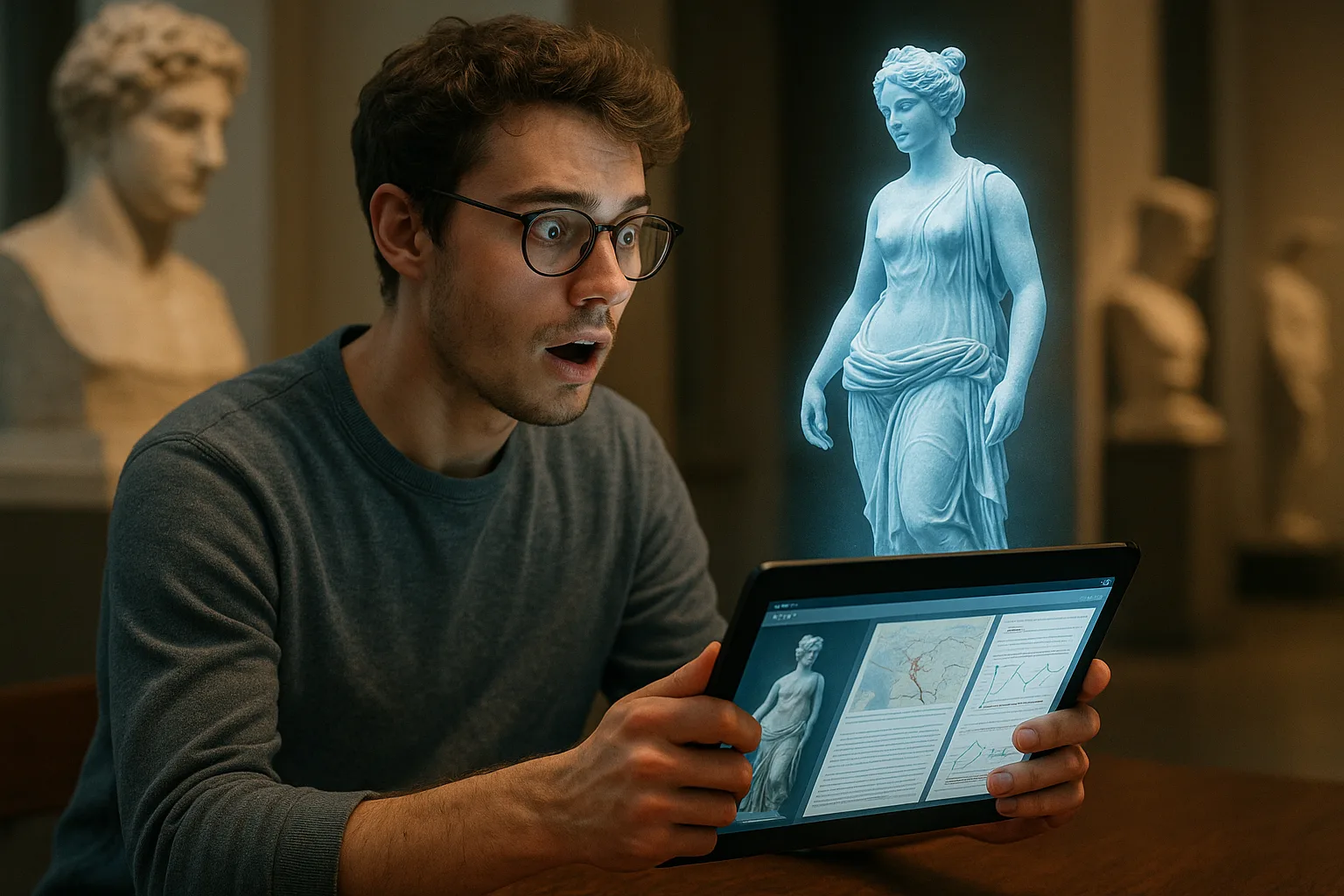
Yenisei Futures: Digital Humanities, Modern Education, and Creative Careers in Krasnoyarsk
Introduction
Krasnoyarsk sits at the crossroads of Siberia’s vast landscapes, rich indigenous cultures, and a growing network of cultural institutions and universities. As digital technologies reshape how we create, teach, preserve, and experience culture, the city has a unique opportunity to lead a regional transformation: to blend *digital humanities*, *modern educational practices*, *self-development*, and *creative thinking* into a resilient future for cultural professions.
Digital Humanities: What It Means for Krasnoyarsk
Digital humanities (DH) is not just digitizing texts — it’s new ways of researching, presenting, and engaging with cultural heritage.
— Key DH activities relevant to Krasnoyarsk:
— Digitization of regional archives, oral histories, and indigenous languages.
— Geospatial mapping of cultural landscapes along the Yenisei and in Stolby and other natural sites (GIS).
— 3D scanning and photogrammetry for museum objects and monuments.
— Digital exhibitions, story maps, and interactive timelines.
— Text analysis and NLP on regional literature, newspapers, and folklore.
— Benefits:
— Broader public access to remote collections.
— New interdisciplinary research connecting humanities and data science.
— Opportunities for tourism, education, and community engagement.
Modern Educational Practices for Cultural Learning
Cultural professions require both domain knowledge and digital fluency. Modern pedagogy can bridge the gap.
— Effective approaches:
— Blended and flipped classrooms for theory plus hands-on labs.
— Project-based learning: students produce real digital exhibitions, digital archives, or community storytelling projects.
— Microcredentials and stackable certificates (badges) for specific skills: metadata, IIIF, GIS, 3D scanning, UX for museums.
— Interdisciplinary courses pairing humanities students with computer science, design, and business.
— Maker spaces and media labs in libraries and universities for prototyping AR/VR experiences.
— Institutional supports:
— Partnerships between schools, museums, libraries, and creative incubators.
— Short courses and evening programs for mid-career cultural workers.
Self-Development and Creative Thinking: Pathways for Individuals
For practitioners and students in Krasnoyarsk, continuous learning and creative practice are essential.
— Core skills to cultivate:
— Digital literacy: basic coding, content management (Omeka, WordPress), data visualization, and metadata standards.
— Creative methods: design thinking, storytelling, participatory methods.
— Soft skills: project management, public engagement, cross-cultural communication.
— Practical steps:
— Create a public digital portfolio showcasing projects (digitized object, mini-exhibit, interactive map).
— Join or start local study groups and hackathons focused on cultural tech.
— Use online platforms for microlearning (short courses, webinars, tutorials).
— Reflective practice: keep a learning journal and iterate on projects with community feedback.
— Mindset:
— Embrace experimentation and failure as part of creative discovery.
— Center community needs and ethical stewardship, especially with indigenous and vernacular heritage.
The Future of Cultural Professions in Krasnoyarsk
The job market will shift — not fewer cultural workers, but different roles and hybrid skills.
— Emerging roles:
— Digital curator / online exhibition designer.
— Community engagement coordinator with digital tool expertise.
— Cultural data manager and archivist with metadata and FAIR-data skills.
— AR/VR experience designer for cultural tourism and education.
— Cultural entrepreneur running digital heritage services, workshops, and creative tourism products.
— Trends to anticipate:
— Remote collaborations and global partnerships.
— AI-assisted cataloging and transcription — requiring oversight and ethics literacy.
— Participatory curation: co-created exhibitions with communities and crowdsourced collections.
— Sustainability-driven programming (low-energy digital archives, ethical reuse).
Practical Initiatives for Krasnoyarsk Institutions
Concrete projects that city institutions can implement quickly:
— Digital Heritage Sprint
— A 6–8 week collaborative program pairing students, museum staff, and coders to digitize a collection, publish an online exhibit, and train staff.
— Community Oral History & Language Lab
— Record, transcribe, and publish indigenous and local narratives; train young people in recording and transcription tools.
— Museum-Maker Partnership
— Equip a shared maker lab for 3D scanning, fabrication, AR prototyping, and exhibition testing.
— Cultural Data Fellowship
— Short-term fellowships for librarians/archivists to upskill in metadata, IIIF, and open data best practices.
— Public-facing Hackathons and Design Jams
— Invite citizens to co-create storytelling apps, cultural trails, and learning modules.
For Policymakers and Funders
Recommendations to maximize impact:
— Invest in scalable infrastructure: digital storage, high-quality digitization equipment, and reliable internet in regional repositories.
— Fund cross-sector training and seed grants for pilot projects with measurable outputs (exhibits, digitized collections, user metrics).
— Support open, ethical data policies that protect sensitive cultural materials and honor community ownership.
— Prioritize inclusion: programs should be accessible to rural communities and indigenous groups.
Measures of Success
How to know initiatives work:
— Quantitative:
— Number of digitized items, online visitors, course completions, microcredentials awarded.
— Qualitative:
— Community satisfaction, participation in co-curation, improved local access to heritage.
— Institutional:
— New partnerships, sustained funding, integration of digital practices into everyday workflows.
Conclusion — A Call to Action
Krasnoyarsk can become a regional leader at the intersection of culture, technology, and education. By combining digital humanities practices, modern pedagogy, and a culture of lifelong creative learning, the city will not