From Yenisei to the Cloud: Digital Humanities and the Future of Cultural Professions in Krasnoyarsk
Introduction
Krasnoyarsk sits at the crossroads of Siberian nature, indigenous heritage, and urban cultural life. As global shifts toward digitalization accelerate, the city has a unique opportunity to reshape how culture is taught, experienced, and sustained. This article sketches practical paths combining digital humanities, modern educational practice, self-development, and creative thinking to prepare Krasnoyarsk’s cultural professionals for the near future.
Why this matters for Krasnoyarsk
— The region’s rich natural and cultural landscape (from the Yenisei River to indigenous traditions and local museums) provides compelling content for digital narratives.
— Cultural institutions in mid-sized cities can innovate faster than national cultural centers—testing scalable models.
— New skills and roles will allow local professionals to preserve heritage, attract visitors, and create knowledge-based jobs without leaving the region.
Digital humanities: tools and opportunities
Digital humanities (DH) brings computational tools to cultural questions. For Krasnoyarsk, DH methods can:
— Digitize and make accessible local archives, oral histories, and ethnographic collections.
— Build interactive maps and GIS projects connecting cultural sites along the Yenisei, supporting cultural tourism and research.
— Use 3D scanning and VR to recreate heritage sites or Stolby landscapes for education and remote visitors.
— Apply text analysis to regional publications, diaries, and folklore to reveal patterns and support new scholarship.
Practical starting points:
— Small-scale digitization pilots for a single collection or exhibition.
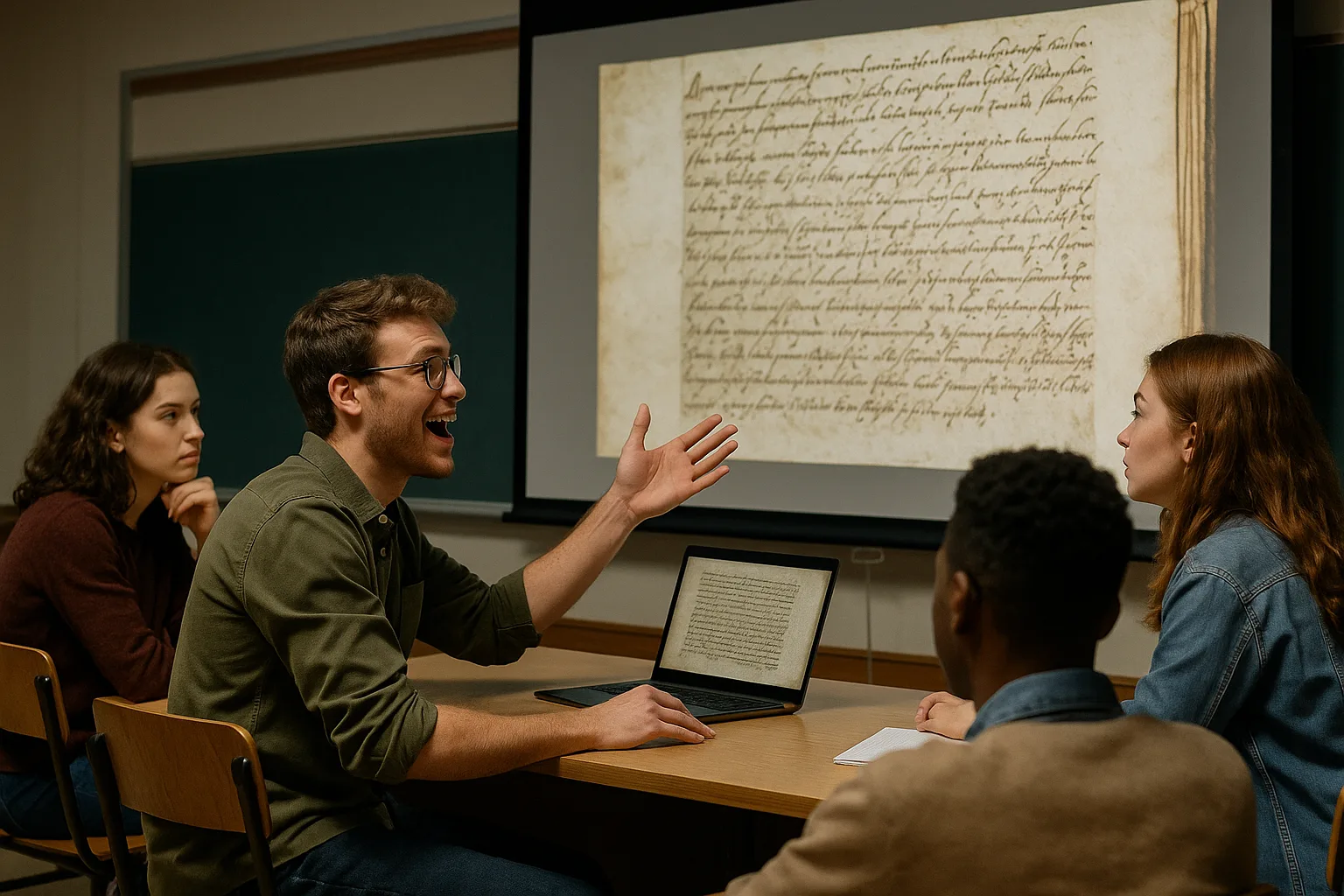
— Collaborative workshops pairing local librarians, museum staff, and university students to create open-access digital exhibits.
Modern educational practices for cultural learning
To prepare future cultural professionals, teaching must shift from passive lectures to experience-driven learning.
Key approaches:
— Project-based learning: students work on real museum or community projects (digital exhibits, oral-history apps).
— Blended and flipped learning: online modules teach technical basics (metadata, digitization) so classroom time focuses on collaboration and critique.
— Maker spaces and labs: equip a shared space with scanners, sound-recording kits, and simple AR/VR tools where students and citizens experiment.
— Interdisciplinary courses: combine history, computer science, design, and entrepreneurship.
Benefits:
— Graduates leave with tangible portfolios that demonstrate applied skills.
— Institutions gain low-cost innovations while training future staff.
Self-development and creative thinking: habits that matter
For individuals, continuous learning and creative routines make the difference:
— Build a micro-portfolio: short, shareable projects (a digitized collection, a short VR tour, a data visualization) that demonstrate skill growth.
— Adopt design-thinking methods: empathize with communities, prototype cultural products, test, and iterate.
— Learn foundational digital skills: basic scripting (Python/R), GIS basics, data visualization, and UX principles.
— Practice reflective learning: maintain a learning journal, set quarterly goals, and seek feedback through peer reviews.
Recommended micro-skills to prioritize:
— Metadata standards and archival practice
— Basic photo/3D capture and post-processing
— Storytelling for multimedia platforms
— Community facilitation and participatory design
Emerging cultural professions in Krasnoyarsk
The hybrid cultural jobs of the next decade will blend tech, curation, and community engagement. Examples:
— Digital Curator: designs online exhibitions and manages digital collections.
— Heritage Technologist: implements 3D/AR/VR solutions for interpretation and preservation.
— Cultural Data Analyst: mines text and spatial data to inform programming and outreach.
— Community Engagement Producer: co-creates projects with Indigenous and local communities, ensuring ethical representation.
— Creative Entrepreneur / Cultural Project Manager: combines funding, partnerships, and audience-building.
Local pilot ideas for Krasnoyarsk
— Yenisei Heritage Map: a crowdsourced GIS platform where residents and researchers tag stories, photos, and traditions along the river.
— Virtual Stolby: a VR educational experience that teaches geology, ecology, and local history for schools and tourists.
— Museum–School Residency: students collaborate with a museum to digitize a collection and produce an interactive classroom resource.
— Cultural Hackathon: a weekend event bringing coders, designers, historians, and students to prototype apps or exhibits.
Funding and partnerships
— Start locally: municipal cultural budgets, university partnerships, and regional foundations.
— Seek national and international grants for digital heritage and education (UNESCO-related programs, cultural foundations).
— Partner with tech companies for in-kind support (cloud storage, software licenses) and local IT firms for development.
Practical first steps for stakeholders
For educators:
— Add a project-based DH module to existing humanities syllabi.
— Create internships with local museums and cultural centers.
For cultural institutions:
— Launch a single, well-documented digitization project.
— Open meeting times in-house for student collaborations and community co-design sessions.
For professionals and students:
— Start a small public portfolio project.
— Join or form local study groups on GIS, 3D scanning, or storytelling.
For local government:
— Support a small innovation fund for cultural-tech pilots.
— Incentivize collaborations between universities, museums, and startups.
Closing: a vision for the future
Krasnoyarsk can become a model for regional cultural innovation: a place where the Yenisei’s history meets cloud-based archives, where students learn by doing, and where creative professionals craft new careers rooted in community. By blending digital humanities, modern pedagogy, and deliberate self-development, the city can protect its heritage, broaden access, and create resilient cultural professions for the 21st century.
*Start small, ship often, and center local voices.* The future of culture in Krasnoyarsk will be created by those who combine craftsmanship with curiosity—and who are willing to learn new tools while honoring the stories that make the region unique.