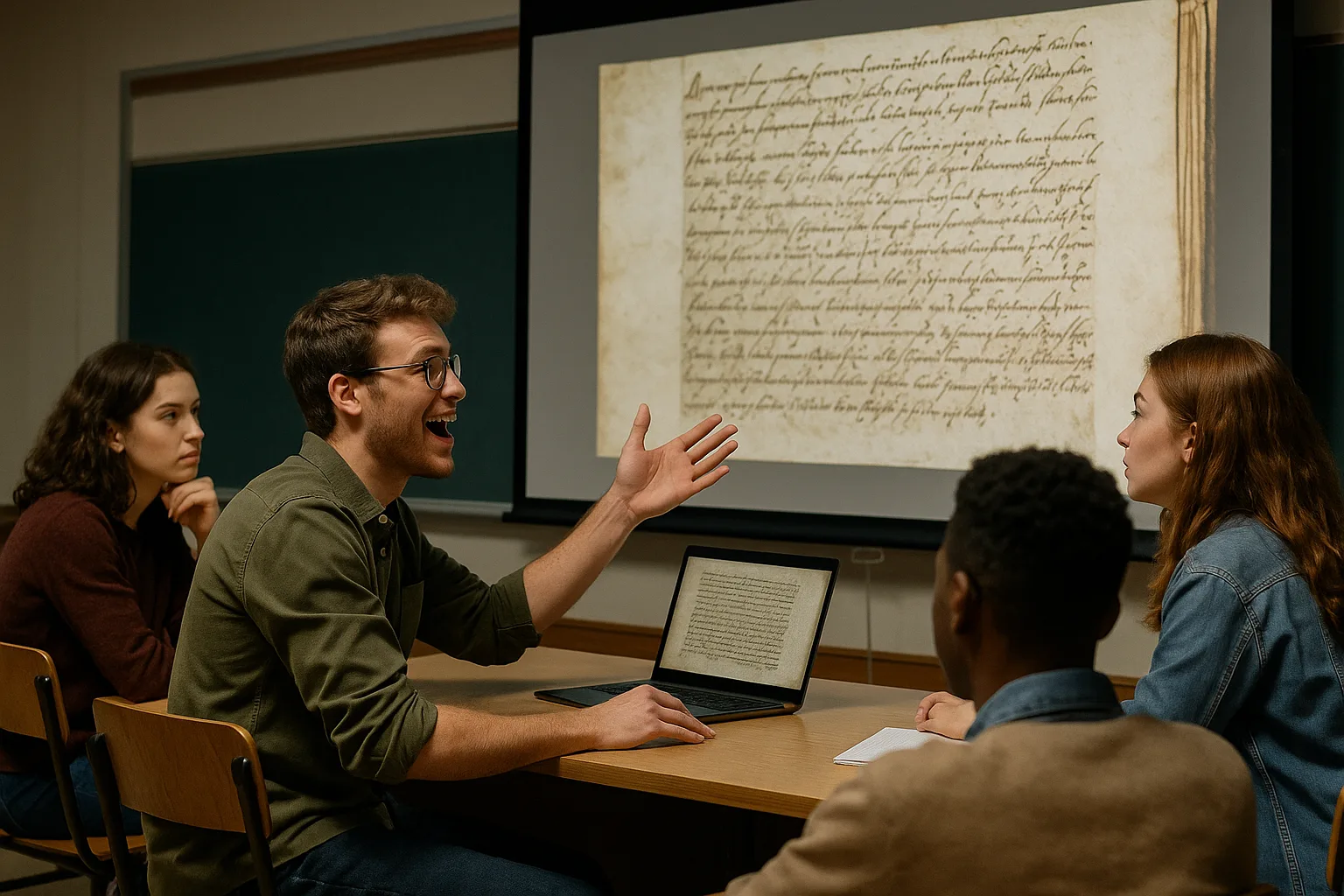
Rethinking Culture in Krasnoyarsk: Digital Humanities, Education, and the Future of Creative Professions
Introduction
Krasnoyarsk sits at the crossroads of Siberia’s vast landscapes and a rich cultural legacy. Today, digital tools and contemporary educational practices are opening new pathways for self-development, creative thinking, and the reinvention of cultural professions. This article maps practical ideas for artists, educators, museum professionals, students, and cultural entrepreneurs in Krasnoyarsk who want to turn heritage into future-facing opportunities.
Digital humanities: what it brings to Krasnoyarsk
Digital humanities (DH) is the convergence of computing and culture: digitizing collections, creating interactive maps, using text-analysis to mine archives, and building immersive narratives. For Krasnoyarsk, DH can:
— Preserve fragile local archives and oral histories through high-resolution digitization.
— Make collections from regional museums and theaters discoverable to global audiences.
— Produce interactive experiences (VR/AR tours of the Yenisei shoreline, immersive exhibitions about Surikov and local artists).
— Support research using GIS, network analysis, and computational linguistics to reveal new cultural patterns.
*Benefit:* DH democratizes access to culture while providing new revenue streams and research outputs for local institutions.
Modern educational practices that accelerate creative growth
Contemporary education favors active, interdisciplinary, and technology-enhanced learning. Krasnoyarsk’s educators and cultural institutions can adopt:
— Blended and hybrid learning models combining in-person studio practice with online theory and tools.
— Project-based learning (PBL): students work on museum exhibitions, community archives, or multimedia storytelling projects as part of coursework.
— Maker spaces and labs inside libraries and cultural centers offering 3D scanning, VR equipment, audio-visual production, and basic coding workshops.
— Micro-credentials and modular courses for quick upskilling in digital curation, UX for culture, and data literacy.
— Cross-sector collaborations between art schools, humanities departments, and local tech hubs.
*Result:* Learners become adaptable creators who can move between art, research, and technology — exactly the hybrid skillset cultural professions demand.
Self-development and creative thinking: practical habits
For practitioners and students in Krasnoyarsk, fostering creative thinking and continuous self-development is essential:
— Build a portfolio of small, public projects (pop-up exhibitions, digital micro-exhibits, community archiving initiatives).
— Practice design thinking: empathize with audiences, prototype quickly, test, iterate.
— Schedule regular skill sprints (e.g., two-week deep dives into metadata standards, audio editing, or interactive web design).
— Use reflective journals and peer critique groups to convert practice into learning.
— Engage in local and remote mentorships — invite curators, digital humanists, and cultural entrepreneurs to run short residencies.
*Tip:* Public-facing projects, however modest, are the best résumé builders in a changing cultural market.
The future of cultural professions in Krasnoyarsk
Cultural jobs will shift from narrow, role-based descriptions to hybrid portfolios. Expect demand for:
— Digital curators and collection data managers who understand metadata, rights, and user experience.
— Cultural data analysts who can use analytics to inform programming and audience development.
— Community engagement specialists trained in participatory design, local languages, and inclusive programming.
— Creative technologists who combine storytelling with AR/VR, projection mapping, and interactive installations.
— Cultural entrepreneurs running micro-businesses: touring digital exhibitions, online workshops, and heritage-driven products.
Institutions will hire fewer single-discipline specialists and more multidisciplinary teams.
Concrete initiatives for Krasnoyarsk
To make these shifts tangible, local stakeholders might consider:
— City-scale digitization sprint: a coordinated program to digitize key archives, oral histories, and ephemera with volunteer and university partnerships.
— Cultural tech incubator: short residencies for teams building heritage-based apps, VR experiences, or digital exhibitions—supported by local foundations and business sponsors.
— Annual “Yenisei Hack & Heritage” event: hackathons pairing coders, historians, artists, and students to prototype cultural products in 48–72 hours.
— Mobile museum labs: pop-up exhibitions in smaller towns across the region to co-create collections with communities.
— Micro-credential platform in Russian for cultural professionals (metadata, project management, community-led archiving).
How educators, institutions, and individuals can start now
Educators
— Integrate project-based DH modules into curricula.
— Partner with local museums and theaters for live student projects.
Cultural institutions
— Start by digitizing a single collection with clear metadata and open-access licensing.
— Offer workshops on basic digital skills for staff.
Students and creatives
— Launch a small public project (a mini digital exhibit, podcast, or mapped walking tour).
— Join cross-disciplinary meetups and volunteer at digitization efforts.
Policy makers and funders
— Fund pilot projects and seed a regional cultural tech fund.
— Support infrastructure for broadband access and public maker spaces.
Conclusion
Krasnoyarsk’s cultural future is not a choice between preservation and innovation — it’s the creative fusion of both. By embracing digital humanities, modern educational practices, and deliberate self-development, the city can cultivate a new generation of cultural professionals who are adaptable, tech-savvy, and deeply rooted in local identity. Small, practical steps — digitizing a collection, running a community workshop, building a portfolio project — are the building blocks of long-term change. The Yenisei region’s stories deserve tools that both protect and amplify them; Krasnoyarsk is well-placed to lead that transformation.