Yenisei Futures: Digital Humanities, Creative Education, and the New Cultural Professions in Krasnoyarsk
Введение
Krasnoyarsk sits at the junction of Siberia’s vast natural landscapes and rich human stories. As education, culture, and technology converge, the city has a unique chance to shape the next generation of cultural professionals — curators, educators, digital archivists, cultural entrepreneurs — who combine humanistic insight with technical fluency. This article maps practical directions for institutions and individuals in Krasnoyarsk to grow through digital humanities, modern educational practices, self-development, and creative thinking.
Почему это важно для Красноярска
— Krasnoyarsk is both a cultural hub and a gateway to indigenous and regional heritage along the Yenisei.
— Remote geographies and strong local identities call for *new forms of access, preservation, and interpretation* — digital methods make cultural assets available beyond physical limits.
— Cultural professions are transforming worldwide: roles that once focused solely on preservation now require data skills, community facilitation, and entrepreneurial thinking.
Что такое digital humanities (DH) и как это меняет практику
Digital humanities = the intersection of computing and the humanities: digital archives, mapping, data visualization, text analysis, VR/AR storytelling, and interactive exhibitions. For Krasnoyarsk, DH can:
— Digitize regional collections to increase access and protect fragile materials.
— Map migration, trade, and cultural networks across Siberia using GIS.
— Produce immersive narratives that combine oral histories of local and indigenous communities with sensory experiences for remote audiences.
Современные образовательные практики, которые работают
Adopt methods that foster active, practical learning and lifelong growth:
— Project-based learning: students collaborate with museums or libraries on real digitization or exhibition projects.
— Blended learning: combine face-to-face seminars with online modules (microcredentials, MOOCs) in metadata, coding, or heritage law.
— Maker spaces and labs: equip universities and cultural centers with scanners, audio booths, VR headsets, and 3D printers.
— Mentorship and apprenticeship models: pair students with curators, archivists, and cultural entrepreneurs for on-the-job learning.
— Interdisciplinary modules: teach humanities students basic data literacy and tech students cultural ethics and narrative design.
Практические шаги для учреждений в Красноярске
1. Create a local DH hub (temporary name: *Yenisei Digital Lab*):
— Shared equipment, training, and a public-facing portal for digitized materials.
— Host hackathons and “archives-in-a-week” sprints with students and community volunteers.
2. Integrate microcredentials into curricula: short accredited courses in metadata, GIS, digital preservation, and user experience for cultural sites.
3. Launch community co-creation programs: invite indigenous elders, artists, and residents to co-design exhibits and digital narratives, ensuring ethical consent and benefit sharing.
4. Build industry partnerships: collaborate with tech companies, media startups, and regional tourism agencies to prototype AR-guided walks along the Yenisei or immersive exhibitions.
5. Prioritize open standards and sustainability: use open formats, document workflows, and plan for long-term digital preservation.
Навыки и инструменты для профессионального роста
Essential skills:
— Digital basics: metadata, digitization best practices, copyright & rights management.
— Data and geospatial literacy: QGIS, basic data cleaning, mapping cultural datasets.
— Storytelling & UX: narrative design for web and immersive platforms, user testing.
— Coding & tools: Python/R for text analysis, Omeka/CollectiveAccess for digital collections, Unity/Unreal for VR prototypes.
— Soft skills: project management, community engagement, grantwriting, and entrepreneurship.
Recommended learning pathways:
— Short online courses (MOOCs, professional certificates) + local project application.
— Weekend intensive workshops at libraries or cultural centers.
— Peer groups and local reading clubs focused on DH case studies.
Развитие творческого мышления и самообразования
— Design a “90-day creative sprint”: pick a local artifact or oral story, digitize or record it, and create a public-facing microproject (blog, map, short VR scene).
— Keep a portfolio: document projects, methods, and reflections — this is crucial when applying for residencies or funding.
— Practice cross-training: alternate weeks learning a technical tool and a humanities method.
— Join or start interdisciplinary salons and critique groups in Krasnoyarsk to share prototypes and get feedback.
Будущее культурных профессий: роль Красноярска
— Hybrid roles will dominate: *data-literate curators, community-embedded digital conservators, and cultural entrepreneurs* who monetize ethical digital experiences (virtual tours, educational platforms).
— Local cultural assets can power regional identity-led innovation: storytelling products, educational resources for schools across Siberia, and sustainable cultural tourism.
— Krasnoyarsk can become a laboratory for ethically-led digitization of indigenous and regional heritage, setting standards for benefit-sharing and cultural sovereignty.
Возможные проекты для старта
— Community Digitization Days: volunteers and students digitize local photographs, documents, and oral histories for a public online archive.
— Yenisei Story Map: a layered GIS project linking places, events, and personal narratives across the region.
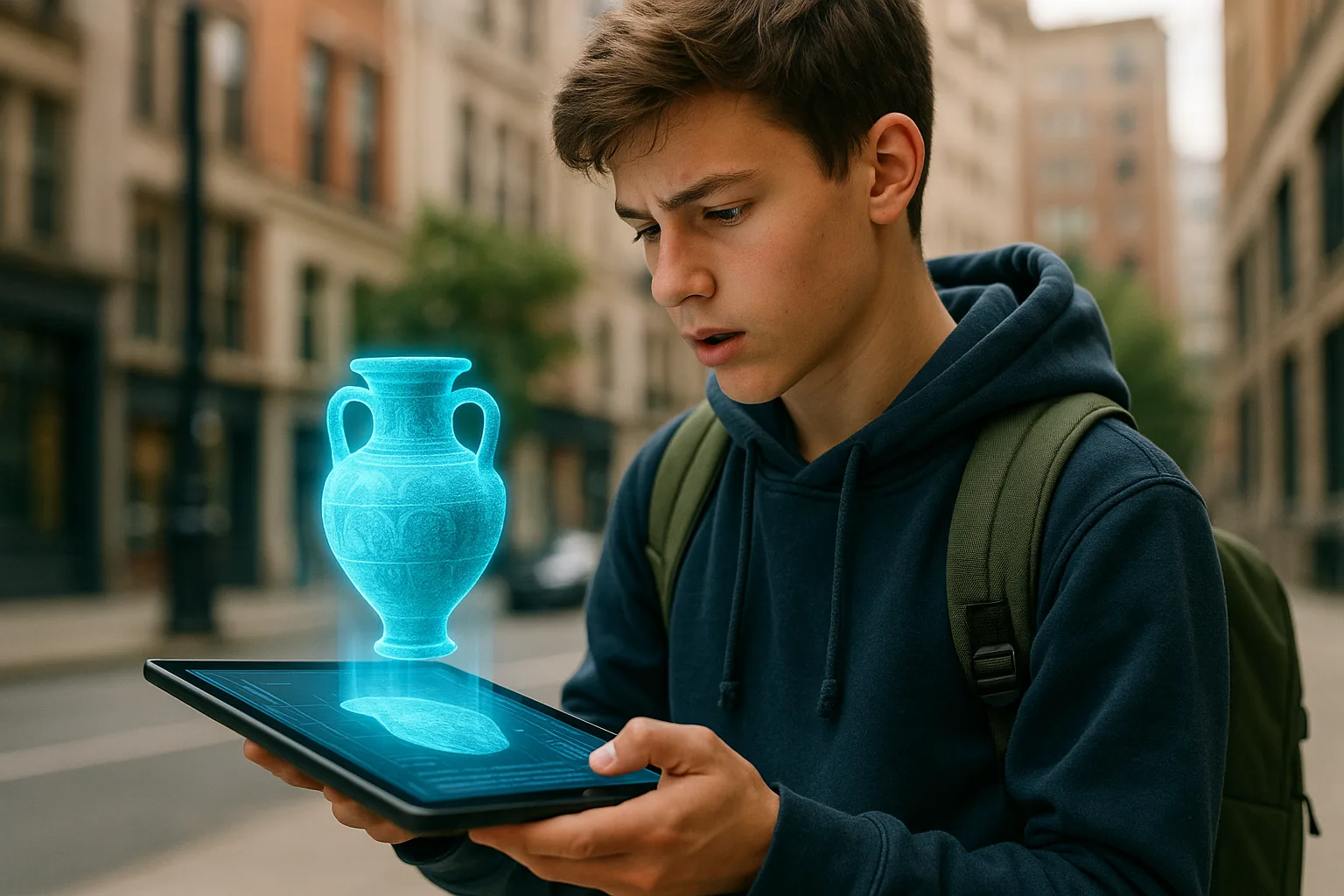
— VR/AR Walking Tours: augmented routes that overlay historical reconstructions along city landmarks and nature trails.
— Youth DH Bootcamps: week-long hands-on introductions to tools and project design for high-schoolers and university students.
Заключение — call to action
Krasnoyarsk has the ingredients for a distinctive, future-oriented cultural ecosystem: rich heritage, engaged communities, and energetic institutions. Start small, build partnerships, and emphasize ethical, community-first practices. For practitioners: pick one