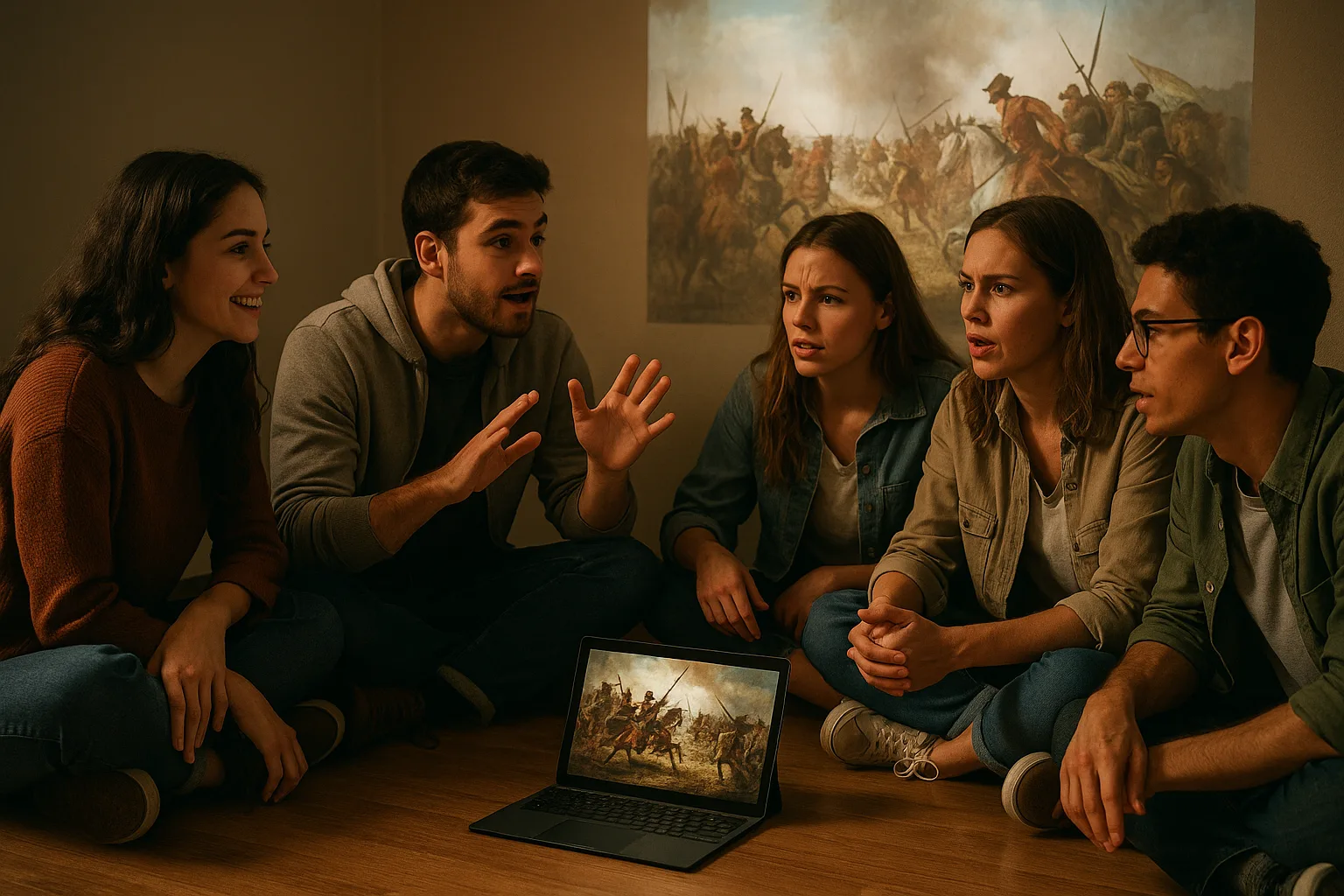
Rethinking Culture in Krasnoyarsk: Digital Humanities, Modern Learning, and the Future of Creative Professions
Introduction
Krasnoyarsk sits at the crossroads of Siberian heritage and contemporary ambition: riverfront museums, theatres, universities, and a community increasingly curious about digital tools. As global cultural sectors transform, Krasnoyarsk has an opportunity to lead locally—by merging *digital humanities*, *modern educational practices*, *self-development*, and *creative thinking* to reimagine cultural professions for the 21st century.
The local context
— Krasnoyarsk’s cultural institutions (museums, theatres, libraries) hold rich collections and living traditions tied to the Yenisei region.
— Local universities, creative centers and informal communities are fertile ground for experimenting with new formats of learning and cultural practice.
— The challenge: bridging traditional cultural work with digital skills and contemporary modes of audience engagement.
What digital humanities bring to the table
Digital humanities (DH) is not just technology — it’s a method:
— Use digital tools to *preserve, analyze, and present* cultural heritage (digitization, metadata, GIS, text/data analysis).
— Create interactive public-facing projects (virtual exhibitions, AR/VR reconstructions, oral-history databases).
— Make research more accessible to citizens, students, and visitors—turning archives into living platforms.
Practical DH ideas for Krasnoyarsk:
— Digitize regional folklore and create searchable oral-history collections.
— Develop AR-enabled walking tours along the Yenisei to layer historical narratives over the cityscape.
— Visualize cultural networks: map artists, institutions, and events to encourage collaboration.
Modern educational practices that work
To prepare cultural professionals, education must be active, interdisciplinary, and project-driven.
— Project-based learning: students partner with museums/theatres to produce real digital exhibits or apps.
— Blended and flipped classrooms: theory online, hands-on workshops in studios and archives.
— Micro-credentials and stackable certificates: short practical modules (e.g., digital preservation, UX for cultural apps).
— Community-based learning: involve local residents in co-creating content and exhibitions.
How institutions can implement:
— Short intensive “sprints” (6–8 weeks) where mixed teams produce tangible cultural products.
— Partnerships between universities and cultural venues for internships and practicum courses.
— Regular public workshops that teach basic skills (metadata, digitizing, storytelling) to enthusiasts and seniors.
Self-development and creative thinking for cultural professionals
Professional growth in this field requires both craft and mindset:
— Skill stacks to develop: data literacy, basic coding (Python, JS), digital storytelling, UX/design, project management.
— Practices to cultivate:
— Deliberate practice: set small weekly goals (e.g., digitize 10 items, publish a micro-exhibit).
— Reflective journaling: capture lessons from each project to build a personal portfolio of learning.
— Cross-disciplinary reading and play: mix history, design, and tech to spark new ideas.
— Prototyping and fast feedback: build low-fidelity mockups and test them with real users.
Creative-thinking exercises:
— SCAMPER prompts on existing exhibits (Substitute, Combine, Adapt, Modify…).
— Constraints-based challenges (design an interactive exhibit for a 2×2 meter space).
— Rapid ideation sessions with diverse stakeholders (artists, coders, local elders).
The future of cultural professions in Krasnoyarsk
Expect hybrid roles and new career pathways:
— Curator-technologist: someone who understands collections and can build digital experiences.
— Community archivist/mediator: bridges between communities and institutions, expert in participatory projects.
— Experience designer for cultural tourism: combining storytelling, AR/VR, and local routes.
— Freelance cultural entrepreneurs: producing workshops, digital products, and touring micro-exhibitions.
Opportunities:
— Expand audiences beyond the city through virtual programming and bilingual platforms.
— New revenue streams: digital exhibitions, online ticketing bundles, educational courses, and micro-donations.
— Regional brand: position Krasnoyarsk as an experimental hub for Siberian cultural tech.
Challenges and considerations:
— Sustainable funding and institutional buy-in.
— Ethical digitization: consent, provenance, and cultural sensitivity—especially with indigenous materials.
— Infrastructure: digitization equipment, reliable hosting and preservation strategies.
Concrete pilot projects to start now
— Community Oral-History Sprint: train volunteers, record and transcribe 50 stories, publish an interactive map.
— Museum Hackathons: 48–72 hour events where teams create prototypes (apps, AR tours, data visualizations).
— Micro-course Series: 6-week modules in digital archiving, UX for cultural sites, and narrative data visualization.
— Residency Program: invite technologists to work with a local theatre or museum for a month-long co-creation residency.
Practical checklist for institutions and individuals
For cultural institutions:
— Audit collections for digitization readiness.
— Create a short-term DH roadmap (6–18 months) with measurable outputs.
— Build partnerships with local universities and tech communities.
For educators:
— Introduce project-based assignments tied to real cultural assets.
— Offer micro-credentials and public showcases for student work.
For practitioners and creatives:
— Start a portfolio: publish small digital projects publicly.
— Join cross-disciplinary meetups and offer to co-teach workshops.
— Commit to one skill per quarter (metadata, basic coding, UX, or data viz).
Conclusion — a local call to action
Krasnoyarsk’s cultural future will be shaped by those willing to experiment at the intersection of technology, learning, and creative practice. By adopting digital humanities methods, modern teaching approaches, and intentional self-development, local institutions and professionals can transform heritage into interactive, inclusive, and economically resilient cultural experiences. Begin with small, collaborative pilots—then scale what works. In doing so, Krasnoyarsk can not only preserve its past but invent a vibrant, digitally fluent cultural future.
For next steps: gather a working group (museum, university, a theatre, and a few grassroots organizations), pick one small pilot