Yenisei Futures: Digital Humanities, Creative Thinking, and the New Cultural Professions in Krasnoyarsk
Introduction
Krasnoyarsk sits at a crossroads — a Siberian metropolis framed by the Yenisei and the Stolby range, rich in cultural memory and poised for technological renewal. The convergence of digital humanities, modern educational practices, and self-development presents a unique opportunity to reinvent cultural professions here: museum curators, librarians, educators, artists, and cultural managers can become hybrid practitioners fluent in code, story, pedagogy, and community engagement.
Why Krasnoyarsk matters now
— Proximity to rich natural and cultural heritage: landscapes and local histories that invite digital storytelling.
— Growing appetite for meaningful local projects that connect communities and visitors.
— Universities, cultural centers, and creative initiatives ready to experiment with cross-sector collaboration.
This combination makes Krasnoyarsk an ideal laboratory for testing modern approaches to cultural work and lifelong learning.
Core principles to guide the transformation
— *People first*: center local communities and voices in digital projects.
— *Interdisciplinarity*: blend humanities, design, and tech.
— *Iterative practice*: favor rapid prototyping, testing, and reflection.
— *Accessibility and sustainability*: ensure projects are inclusive and can be maintained over time.
— *Open knowledge*: prioritize open data, shared resources, and skills transfer.
Concrete pathways: what to do next
1) Modernize education and training
— Integrate digital humanities modules into arts and humanities curricula — e.g., digital archives, text analysis, audiovisual storytelling, basic coding for cultural data.
— Adopt micro-credentials and stackable certificates for in-demand skills (digital curation, UX for cultural websites, community archiving).
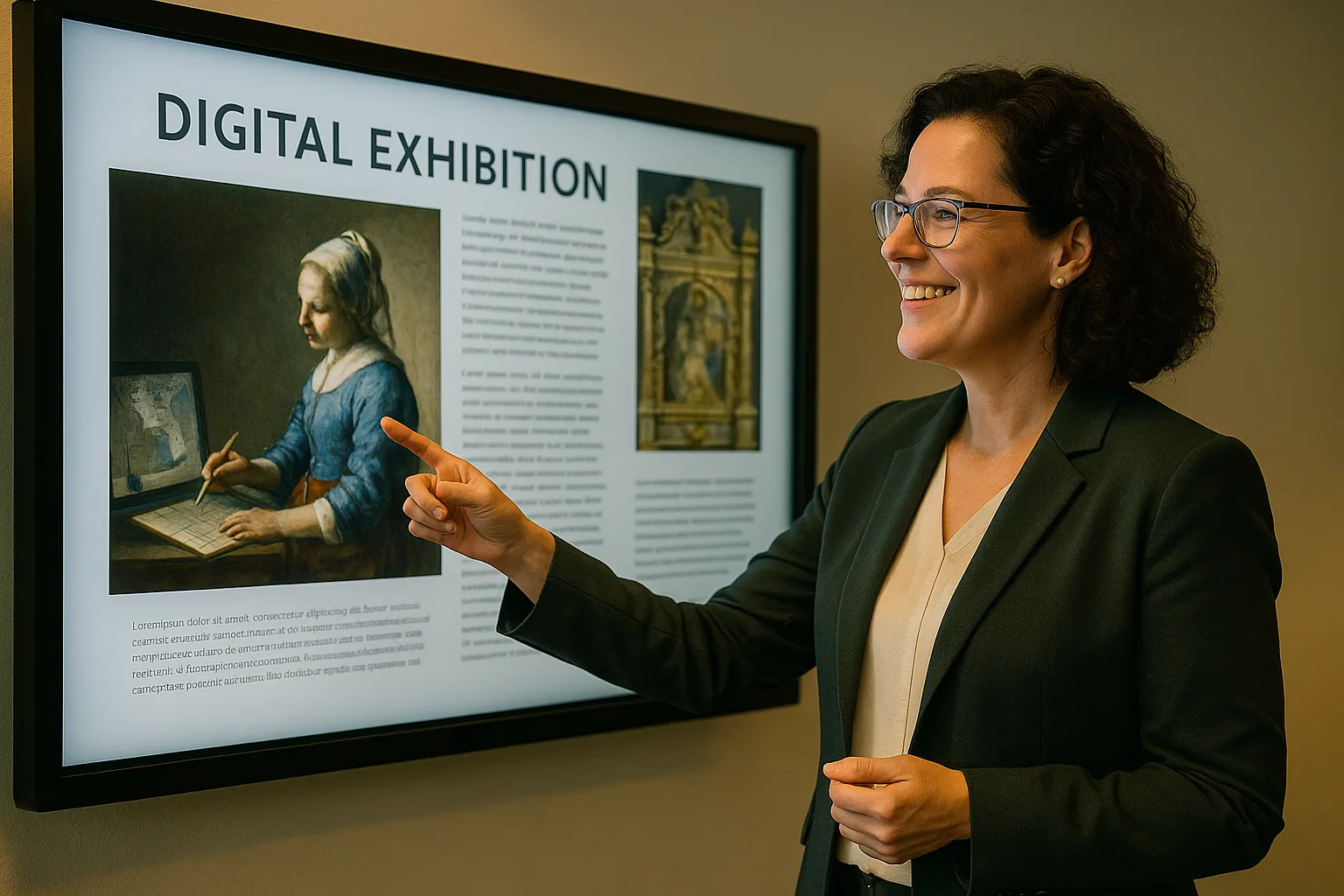
— Encourage project-based learning: students work with museums, libraries, and local communities to produce real digital exhibits.
2) Build local digital infrastructure
— Create a “Cultural Digital Lab” — low-cost studio for digitization (scanning, 3D capture), VR/AR prototyping, and collaborative workshops.
— Launch an open regional portal for digitized collections and oral histories, linked to multilingual metadata to reach wider audiences.
— Provide cloud-based, user-friendly tools and templates for small museums and NGOs to publish exhibits and educational content.
3) Foster creative thinking and self-development
— Run regular design-thinking and storytelling sessions for cultural professionals to reframe problems and develop new services.
— Offer mentorship circles and peer-learning cohorts focused on practical skill growth (data visualization, grantwriting, audience engagement).
— Promote reflective practice: maintain portfolios and case studies documenting experiments and outcomes.
4) Stimulate cross-sector innovation
— Host cultural hackathons and residencies that pair coders with historians, artists with UX designers, and local elders with students.
— Create incubator grants for projects that combine tourism, culture, and tech — e.g., AR walking tours along the Yenisei, interactive Stolby interpretive apps.
— Encourage partnerships between local businesses, universities, and cultural institutions for sponsored R&D.
5) Re-imagine cultural work and career paths
— Promote hybrid job titles (e.g., digital curator, community engagement designer, cultural data analyst) and map the competencies they require.
— Support freelancing and portfolio careers with shared workspace, legal/financial coaching, and project-brokering platforms.
— Recognize and reward lifelong learning via badges, public showcases, and micro-grants.
Practices and tools to adopt
— Digital preservation tools and standards (basic training in metadata, file formats, rights management).
— Low-barrier authoring platforms for public history (story maps, simple CMS, podcasting tools).
— Data-literacy basics: cleaning cultural datasets, visual storytelling, ethical use of data.
— Creative methods: design thinking, rapid prototyping, improvisational workshops, and lateral-thinking exercises.
Example project ideas for Krasnoyarsk
— Yenisei Stories: an oral-history podcast and interactive map connecting river communities, artists, and historians.
— Stolby AR Trail: augmented-reality overlays that tell ecological and cultural stories along hiking routes.
— Digital Folk Studio: participatory digitization events where residents scan archives, annotate photos, and co-curate online exhibits.
— Cultural Careers Lab: a year-long fellowship for emerging cultural technologists, culminating in public showcases and job placements.
Short-term, medium-term, long-term action plan
— Short-term (3–6 months): convene stakeholders; pilot one digital storytelling project; set up monthly workshops and a mentorship roster.
— Medium-term (6–18 months): establish the Cultural Digital Lab; launch a regional digital archive portal; run a city-wide hackathon/residency.
— Long-term (2–5 years): integrate digital humanities into university curricula; build sustainable funding and partnerships; scale successful projects to attract national and international collaboration.
Metrics of success
— Number of digitized artifacts and community-contributed items.
— Participation rates in training programs and workshops.
— New job titles and career transitions among cultural professionals.
— Visitor engagement for digital exhibits (online visits, social shares, feedback).
— Partnerships and external funding secured.
Risks and how to mitigate them
— Fragmentation: coordinate via a local steering group and shared standards.
— Sustainability: prioritize low-cost, open-source tools and training for local custodians.
— Exclusion: design outreach to rural and non-digital-native audiences; offer analog entry points and support.
— Intellectual-property concerns: adopt clear consent processes and rights frameworks.
Call to action
Krasnoyarsk can become a model for how Siberian culture meets 21st-century tools — not by replacing traditional knowledge, but by making it more visible, shareable, and resilient. Start small: gather a pilot cohort, digitize a beloved local collection, and share the results publicly. Use that momentum to scale education, build infrastructure, and grow a new generation of creative cultural professionals rooted in place and fluent in the tools of tomorrow.
Final thought
The future of cultural professions is hybrid and human-centered. By combining digital humanities with modern education and intentional self-development, Krasnoyarsk can cultivate practitioners who preserve the past, animate the present, and design meaningful cultural futures along the Yenisei.