Reimagining Culture in Krasnoyarsk: Digital Humanities, Modern Learning, and the Future of Creative Professions
Introduction
Krasnoyarsk stands at the crossroads of rich regional heritage and rapid technological change. For cultural professionals, educators, and creatives in the city, the convergence of *digital humanities*, *modern educational practices*, and *self-development* offers a unique opportunity: to breathe new life into museums, libraries, theaters, and community projects while shaping resilient careers for the future. This article outlines practical approaches, project ideas, and step-by-step strategies to foster creative thinking and sustainable professional transformation in Krasnoyarsk’s cultural sphere.
Why this moment matters
— Rapid digitization and remote collaboration expand audiences beyond local borders.
— Learners and cultural consumers expect interactive, participatory experiences.
— Cultural institutions need new revenue models and skills to adapt to climate, demographic, and technological shifts.
— Creative professionals benefit from cross-disciplinary fluency: combining humanities knowledge with data, design, and community engagement.
Core pillars for Krasnoyarsk’s cultural future
1. Digital humanities as practice and mindset
— Digitize collections with contextual, community-centered metadata.
— Use mapping, network analysis, and digital storytelling to reveal regional narratives.
— Make heritage discoverable through open standards and accessible interfaces.
2. Modern educational practices
— Adopt project-based, learner-centered, and blended approaches in public programming and professional training.
— Use microcredentials and portfolios to validate skills beyond traditional degrees.
— Encourage peer learning, mentorship, and maker culture.
3. Self-development and creative thinking
— Embrace deliberate practice, cross-training, and reflective portfolios.
— Cultivate design thinking, rapid prototyping, and iterative public experiments.
— Build soft skills: facilitation, storytelling, cultural entrepreneurship.
4. Future cultural professions
— Expect hybrid roles: curator-technologist, experience designer, community archivist, digital preservationist.
— Prioritize inclusivity, ethical stewardship, and climate-aware programming.
— Leverage entrepreneurship: cultural startups, social enterprises, and paid online offerings.
Concrete projects for Krasnoyarsk (starter list)
— Digital Neighborhood Archive
— Community crowdsourcing app to collect photos, oral histories, and documents tied to neighborhoods along the Yenisei.
— Tools: mobile forms, crowdsourcing platform, Omeka or Mukurtu for respectful local curation.
— Virtual Exhibition Series
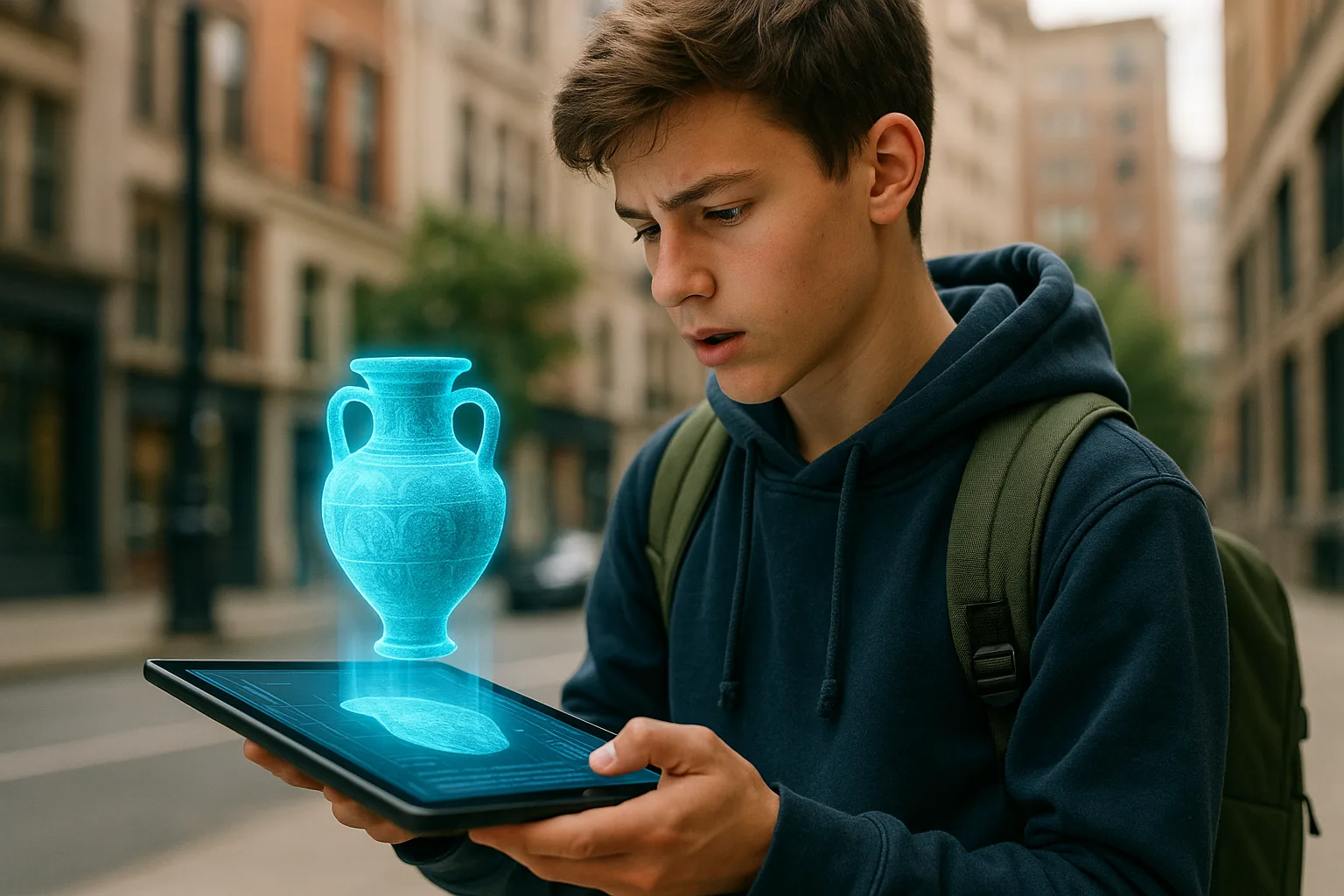
— Rotating online exhibitions combining 3D-scanned artifacts, audio guides, and short documentary films.
— Tools: Sketchfab, IIIF viewers, WebXR for simple AR/VR showcases.
— Cultural Mapping & Storytelling Lab
— Map intangible heritage (festivals, crafts, oral traditions) using GIS and narrative nodes.
— Tools: QGIS, StoryMapJs, Palladio for network visualizations.
— Creative Learning Bootcamps
— 4–8 week interdisciplinary courses: design thinking for museums, digital storytelling for theater, data literacy for librarians.
— Format: blended classes, project showcases, community critique sessions.
— “Heritage-by-Design” Hackathons
— Weekend sprints bringing developers, curators, artists, and students to prototype visitor experiences or conservation tools.
— Microresidencies for Cross-Disciplinary Work
— Short-term placements for writers, coders, conservationists to collaborate on public-facing projects.
Practical tools and platforms (selective)
— Collections & Repositories: Omeka, Mukurtu (community-focused), DSpace
— Metadata & Standards: TEI (texts), IIIF (images), Linked Data basics
— Mapping & Visualization: QGIS, StoryMapJs, Palladio
— 3D & AR: Sketchfab, Blender, WebXR frameworks
— Project & Learning Management: Notion, Trello, Moodle, Google Workspace
— Community Engagement: Telegram/WhatsApp groups, Instagram reels, YouTube shorts, local civic forums
Teaching and learning approaches to implement now
— Flipped and blended learning: record short lectures; use in-person time for hands-on practice.
— Project-based assessments: real-world deliverables (exhibitions, apps, publications) as proof of learning.
— Peer review and public critique: integrate community feedback loops to improve cultural relevance.
— Microcredentials and badges: issue verifiable digital badges for workshops and short courses.
Self-development roadmap for cultural professionals
1. Audit your skills (1 week)
— Map technical, interpretive, and managerial competencies. Identify gaps: e.g., digital preservation, UX design, fundraising.
2. Create a 3-month learning sprint
— Choose one technical skill and one soft skill. Combine a MOOC with a small public project.
3. Build public work
— Publish a mini-portfolio: blog posts, short exhibitions, GitHub repo, recorded talks.
4. Network and mentor
— Join local peer groups, attend hackathons, invite mentors for reviews.
5. Reflect and credentialize
— Keep a learning log and convert outcomes into microcredentials or portfolio items.
Creative thinking techniques to adopt
— Design thinking: empathize with audiences, define problems, prototype fast, test publicly.
— SCAMPER: systematically adapt existing offerings (Substitute, Combine, Adapt, Modify, Put to another use, Eliminate, Reverse).
— Constraint-based creativity: set tight budgets, time limits, or thematic constraints to stimulate innovation.
— Cross-pollination sessions: invite R&D talks from tech, tourism, and education sectors.
Funding and sustainability ideas
— Tiered memberships and experience sales (virtual tours, workshops).
— Partnerships with local businesses for sponsorships and co-created events.
— Small-scale ticketed digital programs with international access.